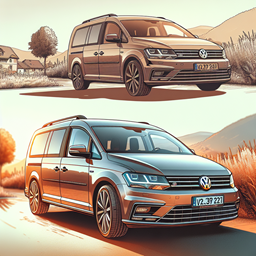
Volkswagen Caddy Maxi II
Van · Diesel
vs
Toyota Sienna LE
Minivan · Gasoline · FWD
Volkswagen Caddy Maxi II
Car A
Volkswagen Caddy Maxi II
The Volkswagen Caddy Maxi II focuses on space and efficiency, combining seven seats and a 750-liter boot with 6.4 combined consumption. Performance is modest, but it offers good value in its segment for family and cargo-heavy use.
7 seatsVanDiesel4-star safety6.4 L/100km
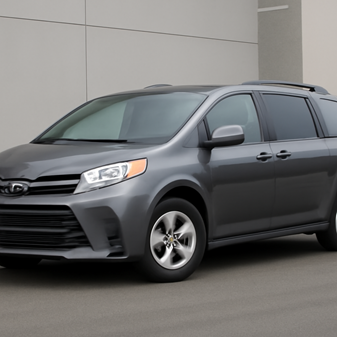
Toyota Sienna LE
Car B
Toyota Sienna LE
The Toyota Sienna LE prioritizes family duty with seven seats, a generous 950-liter cargo area, and signals that emphasize reliability and safety. It’s better suited to road trips and hauling than tight-city errands or performance driving.
7 seatsMinivanGasoline5-star safety266 hp
Why compared same body typesame seatssame usage profilestrong usage match

Usage fit

Family 73 / 97
City 33 / 28
Budget / value 50 / 61
Road trip 55 / 77
Performance 27 / 29
Cargo 59 / 70
Practical 43 / 70
Premium 25 / 33
Winter 26 / 30

Scores out of 100. Blue = Volkswagen Caddy Maxi II · Orange = Toyota Sienna LE

Specs side-by-side

Spec Volkswagen Caddy Maxi II Toyota Sienna LE
Values are representative — confirm for your market and trim.

Pros & cons

Volkswagen Caddy Maxi II

  • Seven seats and versatile space suit large families and shared rides
  • 750-liter cargo area accommodates bulky strollers, sports gear, or work kit
  • 6.4 combined consumption is efficient for its class
  • At 28,000 it represents good value in its segment

Toyota Sienna LE

  • Seven seats and 950 L of cargo space make life easier for large families and road trips.
  • Signals highlight strong reliability and safety for peace of mind.
  • 266 hp V6 (336 Nm) and 0-100 km/h in 8.0 s provide confident merging when fully loaded.
  • Combined consumption of 8.4 keeps fuel use reasonable for a V6 7-seater.

Verdict

Pick Volkswagen Caddy Maxi II if…
Best fuel economy
Volkswagen Caddy Maxi II uses 6.4 L/100km vs 8.4 — a meaningful saving if you cover high mileage.
Pick Toyota Sienna LE if…
More power
Toyota Sienna LE puts out 266 hp vs 102 — meaningfully quicker and more confident on motorways.

Related comparisons