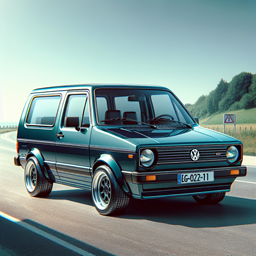
Volkswagen Caddy I
Van · Diesel
vs
Ford Transit Connect Van
Van · Gasoline
Volkswagen Caddy I
Car A
Volkswagen Caddy I
A two-seat Caddy that pairs a roomy 750 L cargo area with efficient 6.5 combined consumption, it fits budget-minded city use and practical hauling. If you need more seats or stronger acceleration, it won’t be the right fit.
2 seatsVanDiesel4-star safety6.5 L/100km
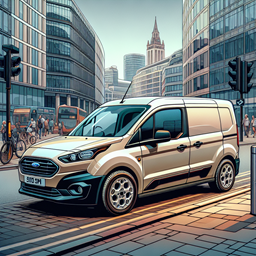
Ford Transit Connect Van
Car B
Ford Transit Connect Van
A two-seat gasoline van focused on cargo, the Ford Transit Connect Van combines a 2500-liter load area with efficient 8.5 L/100 km consumption. Useful torque and a reasonable price make it a practical work vehicle.
2 seatsVanGasoline4-star safety122 hp
Why compared cross branddifferent powertrainsame body typesame seatssecondary usage match

Usage fit

Family 62 / 67
City 46 / 42
Budget / value 68 / 63
Road trip 46 / 50
Performance 28 / 22
Cargo 46 / 72
Practical 45 / 46
Premium 17 / 19
Winter 22 / 22

Scores out of 100. Blue = Volkswagen Caddy I · Orange = Ford Transit Connect Van

Specs side-by-side

Spec Volkswagen Caddy I Ford Transit Connect Van
Values are representative — confirm for your market and trim.

Pros & cons

Volkswagen Caddy I

  • Efficient combined consumption (6.5) helps keep fuel costs in check
  • Large 750 L cargo space supports bulky loads
  • Calm, predictable performance suits city driving
  • Price positions it as good value in its segment

Ford Transit Connect Van

  • 2500-liter cargo space handles bulky gear and daily deliveries
  • Efficient for its class at 8.5 L/100 km, with a strong consumption ranking
  • 300 Nm torque supports hauling and confident merging
  • Around 25,000 price offers good value in its segment

Verdict

Pick Volkswagen Caddy I if…
Best fuel economy
Volkswagen Caddy I uses 6.5 L/100km vs 8.5 — a meaningful saving if you cover high mileage.
Pick Ford Transit Connect Van if…
More power
Ford Transit Connect Van puts out 122 hp vs 75 — meaningfully quicker and more confident on motorways.

Related comparisons