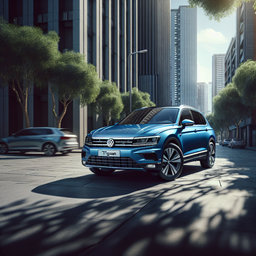
Volkswagen Tiguan
Suv · Gasoline
vs
BMW X5 xDrive45e
Suv · Hybrid · AWD
Volkswagen Tiguan
Car A
Volkswagen Tiguan
With room for five, a 615 L trunk, and 7.1 L/100 km combined consumption, the Volkswagen Tiguan suits growing families and road trips. It leans toward efficiency and safety rather than premium trimmings or performance thrills.
5 seatsSuvGasoline5-star safety
BMW X5 xDrive45e
Car B
BMW X5 xDrive45e
A spacious AWD plug-in hybrid SUV that balances family practicality with efficiency for its class. Strong electric range makes everyday driving economical while retaining long-trip flexibility.
5 seatsSuvHybrid5-star safety2.1 L/100km394 hpAWDHybrid
Why compared same body typesame ranking profilesame seatsstrong ranking match

Usage fit

Family 76 / 79
City 49 / 37
Budget / value 64 / 58
Road trip 57 / 73
Performance 25 / 40
Cargo 42 / 44
Practical 56 / 64
Premium 24 / 63
Winter 36 / 80

Scores out of 100. Blue = Volkswagen Tiguan · Orange = BMW X5 xDrive45e

Specs side-by-side

Spec Volkswagen Tiguan BMW X5 xDrive45e
Values are representative — confirm for your market and trim.

Pros & cons

Volkswagen Tiguan

  • Efficient for its class at 7.1 L/100 km, easing day-to-day fuel costs
  • Large 615 L cargo space fits strollers and road‑trip luggage
  • Priced around 30,000, offering good value in its segment for family duties
  • Aligns with safety-focused priorities for added reassurance

BMW X5 xDrive45e

  • Up to 81 km electric range can cover most short commutes and errands
  • 650 L boot supports family gear and luggage for trips
  • AWD traction adds confidence in winter and mixed weather
  • Low combined consumption (2.1) when charged regularly

Verdict

Pick Volkswagen Tiguan if…
Lower entry price
Volkswagen Tiguan starts lower, making it the stronger value pick if budget is a priority.
Pick BMW X5 xDrive45e if…
All-wheel drive
BMW X5 xDrive45e's AWD adds real-world confidence in wet, icy, or mixed-weather conditions.

Related comparisons